
Is Window Film Strong Enough to Stop Break-Ins? A Largo & Pinellas County Security Guide
Professionally installed security window film is strong enough to stop most quick smash-and-grab break-ins, but it won't make glass unbreakable. Security film is a thick, clear polyester layer bonded to the inside of your glass. When someone strikes the window, the glass may crack, but the film holds the shards together, so the intruder can't simply reach or climb through. That turns a burglar's few seconds into minutes of noisy, exhausting effort. Most criminals give up and move on rather than keep at it.
If you own a home or business in Largo, St. Petersburg, Clearwater, Pinellas Park, or Tampa, you know that glass doors, sliders, and storefront windows are the easiest way into most buildings. Breaking a window takes just a moment, and a smash-and-grab can be over before an alarm company even calls. Security film is designed to take away that speed advantage.
This guide explains how
security film works, what it can and can't do against break-ins, which thickness and installation options matter, and what it costs. High Impact Glass Solutions has installed window film throughout Pinellas and Hillsborough Counties since 2003. We'll give you honest answers, not sales hype.
Why Glass Is the Weak Point in Most Break-Ins
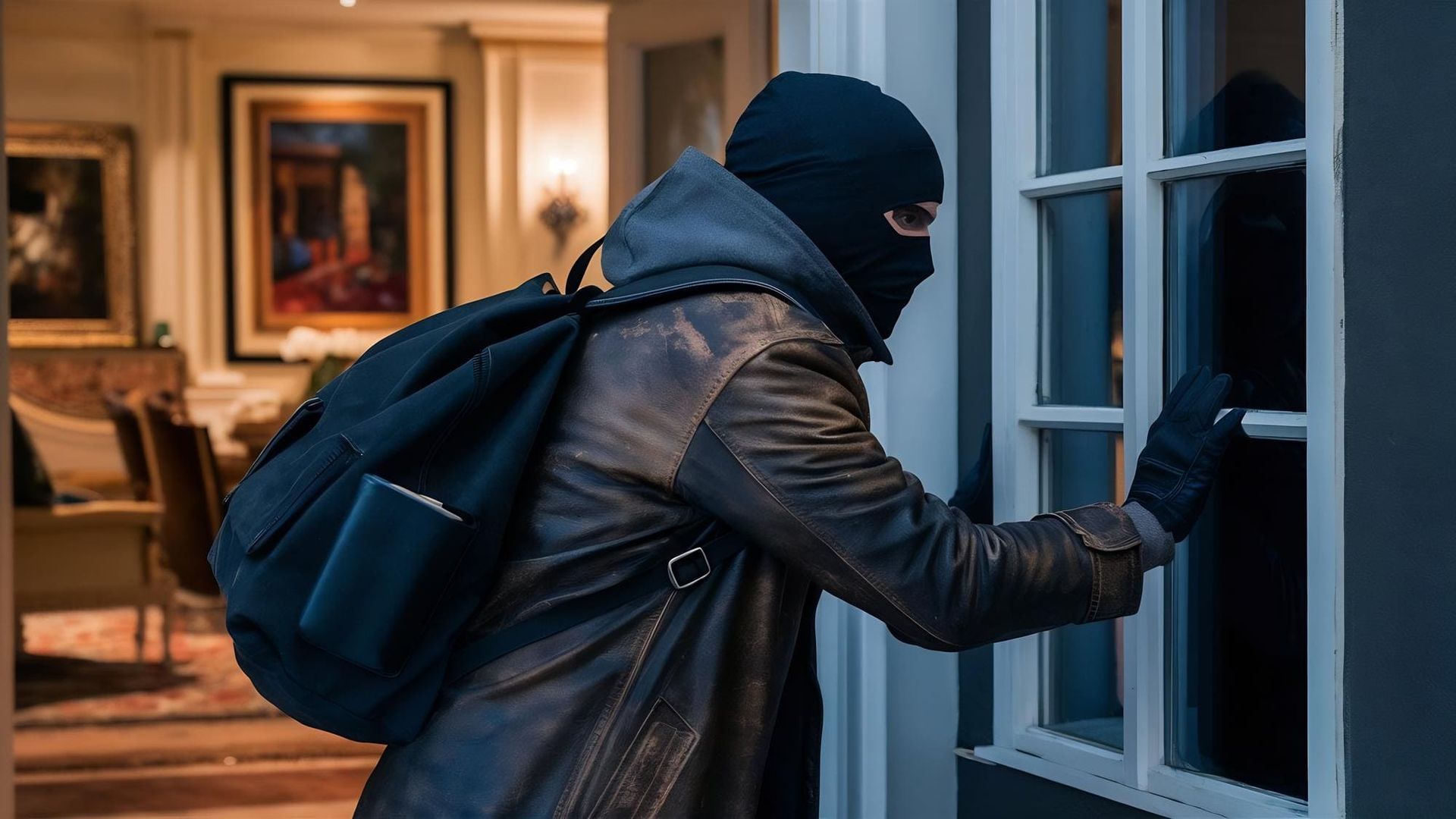
Glass windows and doors are the most vulnerable entry points in any building. Burglars usually look for targets they can hit quickly and quietly, and ordinary glass fits that description perfectly.
Several things make unprotected glass especially easy to exploit:
- Speed: most residential and retail break-ins depend on getting in and out quickly, often in just a few minutes.
- Tempered glass shatters completely: many sliders and doors use tempered glass, which breaks into small pieces that fall away and leave an open frame.
- Storefronts invite smash-and-grab theft: retail windows put merchandise on display just inches behind the glass.
- Sidelights and door glass: a broken pane next to a door lets an intruder reach in and unlock it.
Because criminals rely on speed, anything that slows them down improves your odds. That's exactly what security film is built to do.
How Does Security Window Film Work?
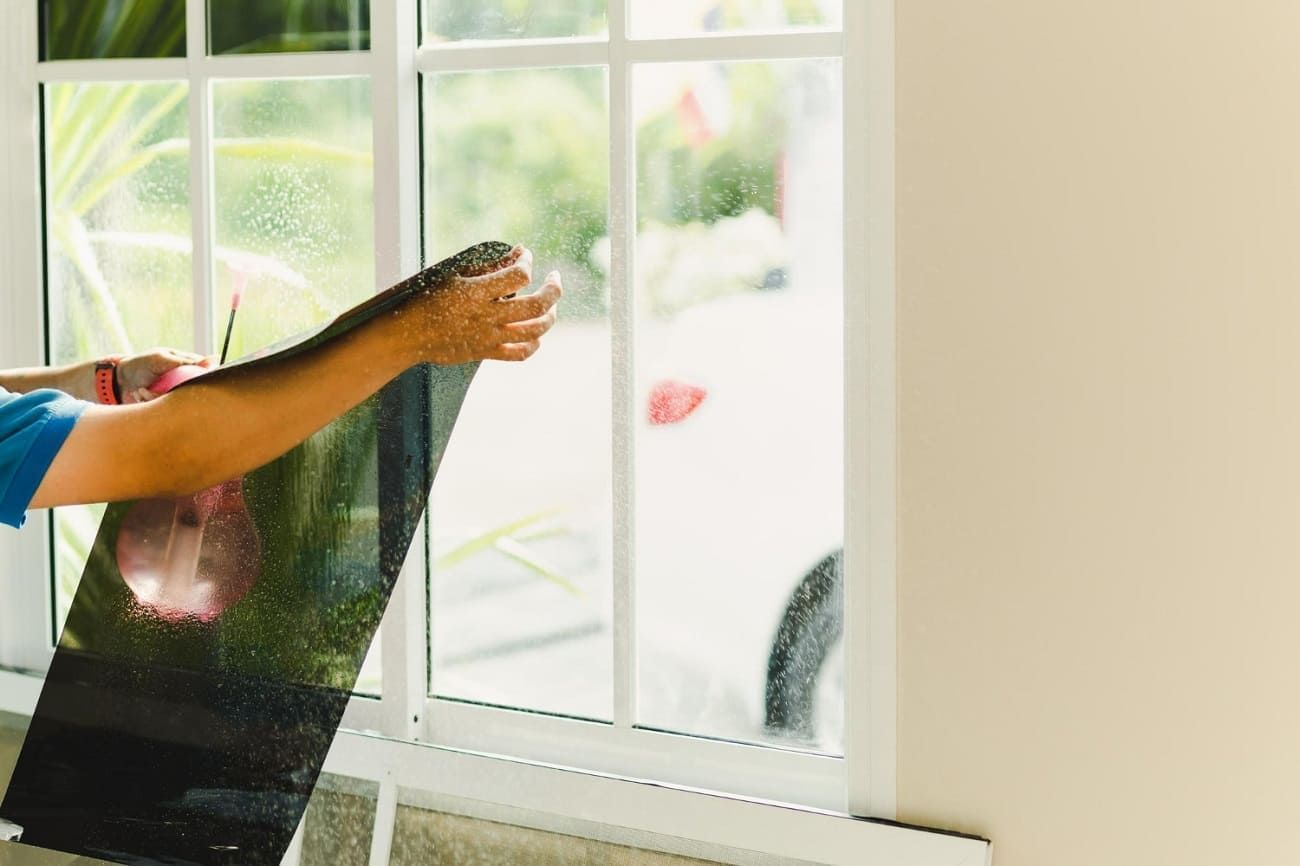
Security film works by holding broken glass together. It's made from multiple layers of heavy-duty polyester bonded to the glass with strong adhesives. When the glass is struck hard enough to crack, the fragments stick to the film instead of falling away or flying into the room.
That creates three layers of protection:
- Delay: an intruder has to keep striking, cutting, and pulling at the filmed glass to make an opening, which takes time and effort.
- Noise and attention: repeated blows make noise that can draw neighbors, trigger glass-break sensors, and increase the risk of getting caught.
- Injury reduction: whether the glass breaks from a break-in, an accident, or a storm, the film helps keep sharp shards from scattering into your home or business.
One of our commercial customers saw this firsthand. After an office window was shattered, the film held the glass securely in place, exactly as intended.
What Security Film Can and Can't Do
Setting realistic expectations is part of protecting your property properly.
Security Film Can
- Make quick smash-and-grab entry far more difficult
- Delay forced entry long enough to discourage many intruders
- Hold shattered glass together and reduce injuries from flying shards
- Help keep glass in the frame during impacts and accidents
- Add UV protection and, in solar versions, reduce heat and glare
Security Film Can't
- Make glass completely unbreakable or "burglar-proof"
- Stop bullets (standard security films are not ballistic-rated)
- Stop a determined attacker with unlimited time and tools
- Replace good locks, alarms, lighting, or cameras
- Serve as code-approved hurricane protection on its own in most cases
In short, security film is a powerful delay-and-deter layer. It's most effective as part of a complete security plan.
Film Thickness: How Strong Is Strong Enough?
Security films are measured in mils (thousandths of an inch). Thicker films generally resist tearing and penetration better, and the right thickness depends on your risk and the type of glass.
| Film Type | Typical Thickness | Best For | Break-In Resistance |
|---|---|---|---|
| Safety film | 4 mil | Holding glass together after accidents; basic shatter protection | Basic |
| Security film | 7–8 mil | Homes, sliders, and doors; deterring smash-and-grab entry | Good |
| Heavy security film | 11–15 mil | Storefronts, high-risk businesses, ground-floor glass | High |
| Solar security film | 7–8+ mil with solar layer | Heat and glare control plus security | Good |
Thicker isn't automatically better for every window. Film has to be matched to the glass type, size, and exposure, which is why our installers follow the manufacturer's film-to-glass recommendations.
Why Attachment Systems Matter
The film is only half of a strong security installation. The other half is how well the filmed glass stays in the frame.
With film alone, an intruder can sometimes push the entire cracked, filmed pane out of the frame in one piece. An attachment system anchors the film to the window frame, so the glass and film act as one unit with the frame.
| Installation Method | How It Works | Break-In Performance |
|---|---|---|
| Film only (daylight applied) | Film covers the visible glass, stopping just short of the frame | Holds shards together, but the pane may be pushed out |
| Wet glaze / structural silicone attachment | Silicone bonds the film edge to the frame | Much stronger; helps keep the pane in the frame |
| Mechanical attachment | Metal or composite strips fasten the film to the frame | Highest retention; common for high-risk commercial glass |
For homes with sliders and ground-floor glass doors, and for any business with valuable merchandise, an attachment system dramatically improves real-world break-in resistance.
What About Hurricanes and Insurance?
This is one of the most common questions we hear in Pinellas and Hillsborough Counties. Safety and security film helps hold glass together during storms and reduces the danger of flying shards, which is a real safety benefit.
In most cases, though, window film alone is not considered code-approved opening protection under the Florida Building Code, and it usually doesn't qualify for wind-mitigation insurance discounts. If you need code-compliant hurricane protection, you'll still need approved shutters or impact-rated windows. Security film is best viewed as an added layer of protection, and many property owners use it alongside shutters or impact glass.
How Much Does Security Window Film Cost?
Security film typically costs more than standard solar film because it's thicker and takes more labor to install. Here are general ranges for the Tampa Bay area.
| Project | Typical Installed Cost* |
|---|---|
| Safety film (4 mil) | $8–$14 per sq ft |
| Security film (7–8 mil) | $10–$18 per sq ft |
| Heavy security film (11–15 mil) | $14–$25+ per sq ft |
| Structural silicone attachment | $4–$10 per linear ft |
| Mechanical attachment system | $10–$25+ per linear ft |
| Typical sliding glass door with film and attachment | $400–$900 |
| Small retail storefront | $2,000–$7,000+ |
*General market estimates. Final pricing depends on glass type, film thickness, window sizes, and attachment method.
Compared with replacing glass after a break-in, replacing stolen merchandise, or dealing with insurance claims and downtime, security film is often a cost-effective investment. It's especially worthwhile for businesses that have already had a break-in.
How to Get the Most Protection From Security Film
These steps help you get the strongest, most reliable result.
Start With a Security Assessment
Identify your most vulnerable glass: ground-floor windows, sliders, glass doors, sidelights, and storefronts. Prioritize the openings a burglar would target first.
Match the Film to the Glass
Different glass types (annealed, tempered, laminated, and insulated) react differently to film. A trained installer should check your glass and follow the manufacturer's recommendations.
Add an Attachment System Where It Matters
Anchoring the film to the frame keeps the pane from being pushed out and makes a major difference on high-risk openings.
Layer Your Security
Combine security film with quality locks, motion lighting, cameras, and a monitored alarm. Glass-break sensors pair especially well with film, because the alarm sounds while the intruder is still struggling with the glass.
Choose a Trusted Installer
Security film only works as well as it's installed. Look for a certified dealer with trained, background-checked technicians and manufacturer-backed warranties.
Why Tampa Bay Property Owners Trust High Impact Glass Solutions
High Impact Glass Solutions is a LLumar SelectPro Dealer, offering the exclusive Vista line of residential and commercial safety and security films. Owner Jeremy Shapiro grew up in the window film business and founded the company in 2003. He personally trains every installer, and we never use subcontractors.
Every technician passes a strict background check. Our crews use booties and tarps and treat your home or business with respect. We analyze your glass, follow the manufacturer's film-to-glass recommendations, and recommend the right combination of film and attachment for your situation. Homeowners, offices, retailers, and even gun stores across Pinellas and Hillsborough Counties trust us to protect their glass.
Frequently Asked Questions About Security Window Film
Can a burglar break through security film?
A determined burglar with enough time and tools can eventually get through filmed glass. Security film is designed to make the process slow, noisy, and difficult, and that discourages most intruders.
Is security window film bulletproof?
No. Standard safety and security films are not ballistic-rated. If you need bullet resistance, you'll need specialized glazing systems designed and tested for that purpose.
How thick should security film be for a home?
Most homes benefit from 7 to 8 mil security film on sliders, doors, and ground-floor windows. Higher-risk openings may call for thicker film and an attachment system.
Does security film count as hurricane protection in Florida?
In most cases, no. Film helps hold glass together and reduces flying shards, but it generally isn't code-approved opening protection and usually doesn't qualify for wind-mitigation insurance discounts.
Can you see security window film?
Clear security films are virtually invisible once installed. Solar security films add a light tint while also reducing heat and glare.
Does security film work on tempered glass?
Yes. Security film holds tempered glass fragments together when the glass breaks, which helps keep an opening from appearing instantly.
How long does security window film last?
Quality safety and security films commonly last 10 to 15 years or more indoors and are backed by manufacturer warranties.
Make Your Glass Harder to Break Into
Window film isn't a magic shield, but professionally installed security film is one of the most effective and affordable ways to stop quick smash-and-grab break-ins. It holds shattered glass together, delays forced entry, and protects people from flying shards. Paired with an attachment system and a complete security plan, it gives your home or business a strong, nearly invisible line of defense.
If you live or work in Largo, St. Petersburg, Clearwater, Pinellas Park, Tampa, or elsewhere in Pinellas and Hillsborough Counties, High Impact Glass Solutions is ready to help. You can:
- Request a free residential or commercial estimate online
- Call (727) 498-1384
- Visit us at 10861 75th Street, Largo, FL 33777, Monday through Saturday from 8 am to 5 pm